How do luxury travel advisors get and use testimonials that actually convert?
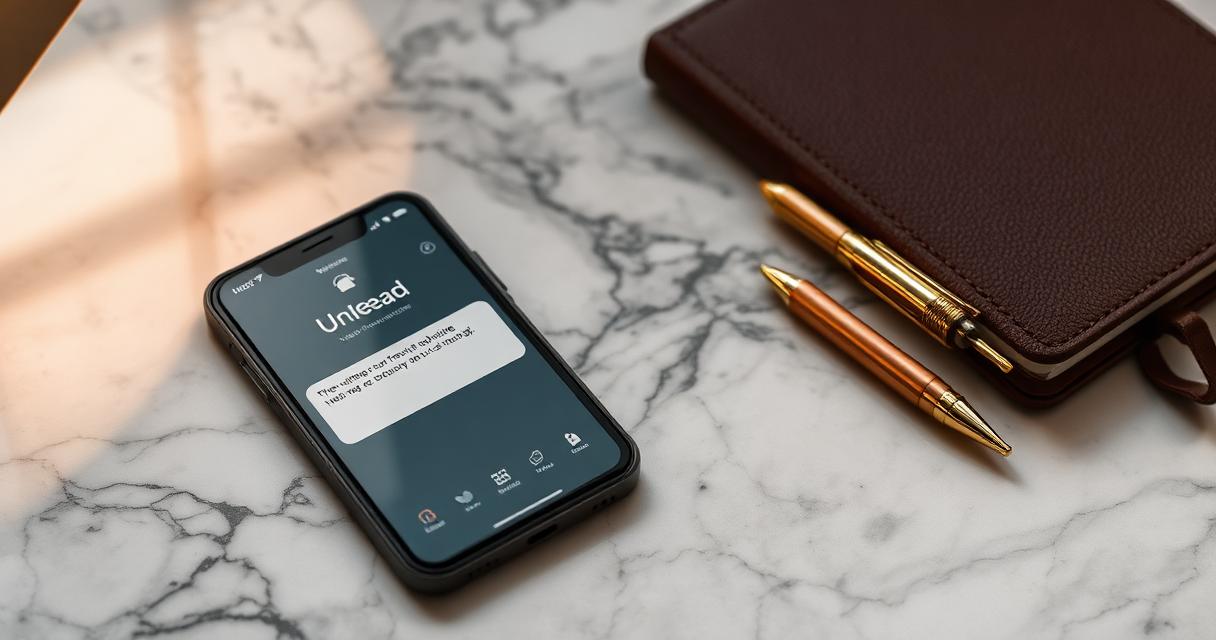
You already have the testimonials you need. They are not missing — they are buried in a text thread from three months ago, in an email reply you starred and never touched again, in a DM someone sent the day they landed home that said something like "I still can't stop thinking about that villa." The problem was never that clients don't say nice things. The problem is that those nice things live in your phone instead of on your Instagram, your landing pages, and the DM you send a hesitant prospect at 9pm on a Wednesday when she's gone quiet for four days.
Most advisors treat testimonials as something to collect occasionally, usually when they remember, usually months after the trip ended when the memory has already gone fuzzy and the reply comes back generic: "it was amazing, thank you so much!" That line converts nobody, because it could describe literally any trip any advisor has ever booked. What actually moves a hesitant prospect is specificity — "she got us into the villa a month before it technically opened" or "he rebooked our entire flight from the airport lounge before we even knew it had been cancelled." Specific quotes read as proof. Vague ones read as filler, and prospects can tell the difference instantly, even scrolling fast.
The 48-hour ask, and the three questions that get a real answer
- "What was the one moment you'll never forget from this trip?" — ask this and nothing broader, because a narrow question produces a specific, quotable answer instead of a generic thank-you.
- "What would you tell someone who's on the fence about working with a travel advisor?" — this is the objection-handling quote you'll use on prospects who are hesitating on price or trust.
- "Is it okay if I share this? A screenshot of your text is perfect, no need to write anything formal." — lowering the bar to "just let me screenshot what you already said" is why this ask actually gets answered.
Send this within 48 hours of the client landing home, while the trip still feels vivid and before real life swallows the memory back into the ordinary. Wait two weeks and you'll get a shorter, flatter answer, if you get one at all — the emotional peak has already faded into laundry and inbox catch-up. The 48-hour window also means you're asking at the exact moment they're most likely to tell other people about the trip anyway, so you're really just asking permission to amplify something they were going to say regardless.
Why the raw screenshot beats the polished graphic every time
Screenshots beat graphic-designed quote cards, consistently and by a wide margin, because a real, unretouched text message reads as true in a way that a branded template with a serif font never will. The moment something looks designed, a reader's brain files it under marketing and discounts it slightly, even if the words are genuine. A screenshot with a typo left in, a timestamp visible, maybe an emoji she actually sent — that reads like proof, not promotion. Save every one you collect into the Media Library as soon as it comes in, tagged by destination and trip type, so you're never digging through old texts trying to remember which client said the villa line.
Where these need to live, not just how you get them
- One per week on Instagram, story or feed, so testimonials become a visible rhythm rather than a rare event.
- At the top of every destination page — here — right where a hesitant reader is deciding whether to keep scrolling or close the tab.
- In your email signature, on rotation, so it's working passively on every single email you send without any extra effort from you.
- In DM replies when a prospect goes quiet — "here's what a recent client said about that exact same trip" restarts more stalled conversations than another follow-up question does.
One video is worth twenty written quotes
A thirty-second phone video from a returning client outperforms twenty written quotes stacked together, because tone of voice and facial expression carry conviction that text simply cannot fake. You don't need production value or good lighting — you need the client's actual voice saying the actual thing she'd tell a friend at dinner. Ask over the welcome-home text, the same one where you're already requesting the written testimonial: "would you mind sending a quick voice memo or video with what you'd tell a friend who's on the fence?" Most clients who loved the trip will do it in under two minutes, and that clip will outperform a month of your own captions.
The reason video works so well isn't polish, it's the opposite of polish. A shaky, unedited clip filmed in a kitchen with a suitcase still half-unpacked in the background reads as completely genuine, and genuine is what a hesitant prospect is actually scanning for when she's deciding whether to trust a stranger with a five-figure trip. If a client hesitates because she feels awkward on camera, tell her it doesn't need to be perfect, it just needs to be her — that single reassurance is usually enough to get a yes where a request for a "proper testimonial" would have gotten silence. Keep two or three of these on rotation in your Stories highlights permanently, not just in a single feed post that disappears in a week.
Turning this into a system instead of a favor you ask for
None of this works if asking for a testimonial depends on you remembering to do it on a good week. Build it into the same post-trip sequence you already send every returning client — the welcome-home text, the packing-list-for-next-time email, whatever your rhythm already is — and attach the three-question ask to that exact moment instead of treating it as a separate task you have to think up from scratch. Automating the timing is what turns testimonials from an occasional nice surprise into a steady, predictable stream that keeps your Media Library stocked without you having to hunt through old messages every time you need a fresh one for a caption.
Once you have a real backlog built up, rotate them deliberately instead of reaching for whichever one you remember. Match a testimonial to the destination or trip type you're currently promoting — a Kenya client's quote belongs next to your Kenya content, not randomly mixed into an Italy carousel — and you'll find that specific pairing does more to move a hesitant prospect than any generic "here's what my clients say" compilation post ever could. Proof works best when it's proof of the exact thing someone is currently deciding whether to trust you with.
Frequently asked questions
- What if a client's trip had a hiccup?
- Ask anyway. The best testimonials often mention how you handled the problem, not that everything was perfect. That's the story other clients need to hear.
- Can I edit them for length?
- Trim, don't rewrite. A screenshot with three sentences highlighted is fine. Never paraphrase — the specificity is the credibility.
- How often should I ask?
- Every returning client, every time. It should be automated in your post-trip workflow.
Unrivaled Travel Tools is the marketing platform built exclusively for independent travel advisors and boutique agency teams. This article is part of an ongoing series drawn from what we see working across the thousands of advisors using the platform every week.
- Unrivaled Travel Tools →Marketing & CRM platform
- Unrivaled Travel Experiences →Curated group departures
- Unrivaled Travel Academy →Training for advisors
Related insights
More on this subject: all clients & crm guides · or browse the full Insights library.
Everything in this article is built into the platform — captions, carousels, calendars, CRM, and matchmaker, all in your brand voice.
Unrivaled Travel Tools — one workspace for planning, content, and client conversations.